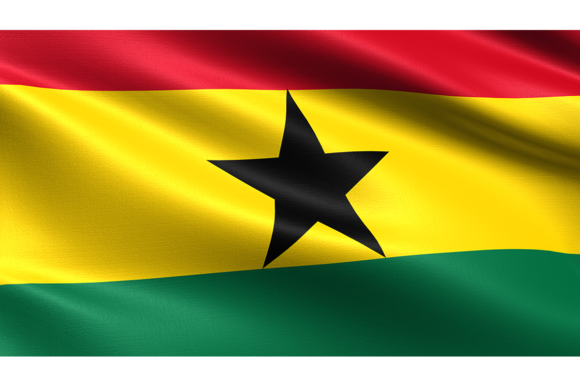
Visualizing National Pride: Ghana Flag Waving Fabric Texture
When you need to communicate strength, heritage, or a sense of dynamic movement, few assets work as hard as a high-quality image. We often talk about typography and color palettes, but the texture of a background can fundamentally change the emotional weight of a design. This is where the Ghana Flag Waving Fabric Texture enters the conversation. It is not merely a static image of a flag; it is a captured moment of motion, a digital asset that brings the rich symbolism of Ghana to life through realistic folds, light, and shadow.
For the modern designer or entrepreneur, understanding how to utilize a premium asset like this is crucial. It serves as a bridge between static digital screens and the tangible, physical world. Whether you are a brand strategist looking to anchor a campaign in cultural authenticity or a hobbyist creating a tribute, the visual language of a waving flag speaks volumes.
The Anatomy of the Asset: Realism and Resolution
What makes this specific asset—a high-resolution 3840×2160px JPG—stand out in a crowded library of design assets? The answer lies in the details of the fabric texture. A flat, vector-based flag often feels sterile. It lacks the "soul" of the object it represents. In contrast, a Ghana Flag Waving Fabric Texture offers a tactile experience. You can see the weave of the cloth catching the light, the deep shadows cast by the folds, and the vibrant interplay of the Pan-African colors—red, gold, green, and the iconic black star.
This level of realism is essential for modern typography and design. When you place text or a logo over a high-fidelity background, you create depth. The waving motion suggests energy and forward momentum. It implies that the brand or message is not static but is moving forward, propelled by the wind. For motion graphics creators, this texture provides an excellent foundation for particle effects or parallax animations, giving them a realistic anchor point.
Strategic Applications: Beyond Simple Decoration
How do you move from appreciating the image to using it effectively? The versatility of the Ghana Flag Waving Fabric Texture allows it to fit into a wide variety of workflows, ranging from digital-first campaigns to traditional print media.
For presentation design, this asset is a game-changer. Slides often suffer from a lack of texture, appearing flat and uninspiring. By using this fabric texture as a full-bleed background, you instantly elevate the professionalism of the deck. It works particularly well for title slides or section dividers, especially if the content pertains to international business, cultural history, or tourism.
In the realm of social media graphics, attention spans are short. A static color block might get scrolled past, but a realistic, waving flag catches the eye. It provides a sense of occasion. Marketers can use this asset for Independence Day posts, cultural celebration announcements, or sports team support graphics. Because the resolution is so high, you can crop in tight on a specific section of the fabric to create a unique texture for a profile picture or a banner without losing image quality.
Furthermore, consider packaging design and physical products. If you are a small business owner creating labels for a product that honors Ghanaian heritage, printing this texture on a label sleeve adds a premium feel. The tactile nature of the image translates surprisingly well to print, giving the consumer a subconscious impression of quality and authenticity.
Integrating the Texture with Typography and Branding
A background is only as good as the foreground content it supports. When working with the Ghana Flag Waving Fabric Texture, your choice of typeface and layout is critical. Because the background features a lot of visual information—folds, highlights, and distinct colors—you need to ensure your text remains legible.
This is where font pairing becomes a strategic exercise. A highly detailed, handwritten font or a complex script font might get lost in the folds of the fabric. Instead, look toward clean, bold sans serif fonts or modern serif fonts with high contrast. These styles cut through the visual noise. For example, a bold, white sans serif header placed over a darker fold in the flag can create a striking focal point.
From a brand identity perspective, using this asset signals specific values. It communicates respect for heritage, stability, and national pride. However, it must be used with consistency. If you use the waving texture in your header image, consider using a subtle crop of it as a texture in your footer or sidebar. This repetition creates a cohesive visual language that strengthens brand recognition.
Practical Workflow Tips for Designers
To get the most out of this asset, treat it as a professional design tool rather than just a picture.
- Resolution and Cropping: With a resolution of 3840×2160px, you have ample room to crop. Don't be afraid to zoom in to create abstract backgrounds that focus solely on the gold and red sections, or the green and gold. This allows you to use the color palette of the flag without the literal flag shape, which is useful for more subtle branding.
- Color Grading: While the standard colors are vibrant, you can adjust the saturation or contrast in your editing software to match the specific mood of your project. Lowering the saturation slightly can make the background more suitable for professional corporate presentations.
- Overlaying Elements: When creating web design elements or banners, use semi-transparent overlays. A dark gradient overlay on the bottom third of the image is a classic technique to ensure white text is readable, regardless of where the flag folds.
- Commercial Licensing: Always verify the licensing terms. For most standard stock assets, a standard license covers web and print use, but if you plan to use the image in a product for resale (like a t-shirt or mug), you may need an extended license. This ensures you are legally protected as you scale your business.
The Emotional Resonance of Visual Assets
Ultimately, design is about communication. A Ghana Flag Waving Fabric Texture does more than fill a space on a slide or a webpage. It evokes a feeling. It connects the viewer to a history and a culture. In an era where audiences are increasingly savvy and skeptical of generic stock photography, using a high-quality, realistic texture demonstrates attention to detail.
Whether you are a content creator honoring a national holiday, a publisher designing a cover for a historical piece, or a marketer building a campaign for the African market, this asset provides a solid foundation. It blends the technical requirements of high-resolution design with the emotional requirement of authentic storytelling. By integrating this texture thoughtfully, you ensure your work is not only seen but felt.