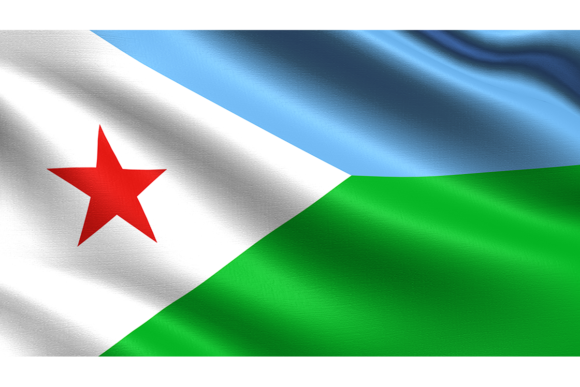
Djibouti Flag: Waving Fabric Texture for Dynamic Design
There’s a certain power in a flag caught in the wind. It’s more than just a symbol; it’s a statement of movement, life, and identity. When you bring that energy into your design work, you create an immediate emotional connection. This is precisely what a high-quality, waving fabric texture of the Djibouti flag offers. It’s not a flat, static graphic. It’s a realistic, textured asset that feels alive, with light and shadow playing across its folds, giving depth and authenticity to any project it touches. The detailed weave of the fabric and the dynamic, flowing shape transform a simple national emblem into a compelling visual narrative.
Capturing Authenticity and Movement
What sets this particular asset apart is its commitment to realism. The Djibouti Flag, Waving Fabric Texture isn't just a colored rectangle with a ripple effect. It’s a meticulously crafted image where the fabric’s texture is palpable. You can almost feel the weight of the material and sense the breeze it’s caught in. The iconic light blue, green, white triangle, and red star aren’t just printed on; they are part of the fabric itself, reacting to its movement. This level of detail is crucial for projects where authenticity matters. It tells your audience you value quality and pay attention to the finer points, which builds trust and credibility for your brand or message.
This asset excels as a design asset that serves multiple purposes. For a presentation on East African markets or geopolitical studies, it adds instant context and professionalism. For a travel blogger or a cultural organization, it serves as a beautiful, engaging header image that sets the tone. The realism of the waving fabric texture makes it perfect for motion graphics, where it can be subtly animated to add a layer of sophisticated motion to video intros or social media stories. It’s a versatile tool for anyone needing to convey a sense of place, culture, or dynamic energy.
Practical Applications Across Your Projects
Let's talk about where this asset truly shines. As a premium font or graphic is chosen for its specific impact, the Djibouti flag texture is chosen for its ability to elevate. Its high resolution of 3840×2160px ensures it remains crisp and clear, whether used as a full-screen background in a web design or printed on a large-format document. This makes it a reliable choice for both digital and print applications.
For brand identity and logo design inspiration, the flag’s colors and symbols can be a starting point. Using the waving texture in brand collateral for a company with ties to Djibouti adds a layer of cultural respect and visual interest. In editorial design, such as a magazine layout or a book cover, it can serve as a powerful, thematic background that doesn’t overwhelm the text. For social media graphics, it’s a standout. A post or story featuring this dynamic flag immediately draws the eye, increasing engagement and stopping the endless scroll. It’s far more effective than a generic stock photo.
Think about packaging design for products sourced from the region. Incorporating this textured flag subtly into the label design can communicate origin and story without a single word. For entrepreneurs and small business owners, using such a high-quality, specific asset shows a level of professionalism that generic clipart cannot match. It’s an investment in your visual communication that pays dividends in how your brand is perceived.
Integrating the Asset with Your Creative Toolkit
Choosing the right asset is like choosing the right typeface. It must fit the project’s personality. The Djibouti flag texture has a bold, confident, and authentic character. It pairs well with clean, modern typography. Imagine it as a background with a strong, geometric sans serif font for headlines—this creates a beautiful contrast between the organic texture of the fabric and the clean precision of the text. Alternatively, pairing it with a elegant serif font can evoke a sense of tradition and timelessness, perfect for formal presentations or historical publications.
When testing font pairing, consider the hierarchy. Use the waving flag texture as a full-bleed background for a title slide or a hero section on a website, then overlay your main heading in a bold, white sans serif. For body text, ensure it’s placed on a solid, semi-transparent overlay to maintain readability. The key is to let the texture support your message, not compete with it. This balance is essential in modern typography and layout design.
From a practical standpoint, always check the licensing for commercial use if you’re using it for client work or products for sale. A reputable source will provide clear terms. Before finalizing, test the asset at the scale you intend to use it. Does the texture hold up when cropped for an Instagram story? Does it remain compelling when tiled as a subtle background pattern? Its 3840×2160px resolution gives you significant flexibility here, allowing for heavy cropping without loss of quality.
Ultimately, the Djibouti Flag, Waving Fabric Texture is more than just a picture of a flag. It’s a versatile, high-impact creative font for the visual world—a tool that brings motion, authenticity, and a strong sense of identity to your work. By integrating it thoughtfully, you can enhance your projects’ visual hierarchy, strengthen brand perception, and create more engaging content for your audience. It’s a small detail that can make a significant professional difference.