Uruguay Flag: Waving Fabric Texture for Dynamic Designs
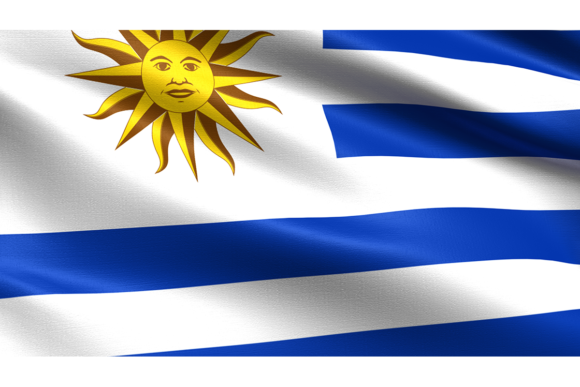
There is a profound difference between a static graphic of a national emblem and a high-fidelity representation that captures the spirit of movement. When we look at the Uruguay Flag waving in the wind, we aren't just seeing the Sol de Mayo or the blue and white stripes; we are witnessing a living piece of history responding to the elements. For designers, content creators, and business owners, utilizing a resource with a realistic waving fabric texture is a game-changer. It transforms a flat digital layout into something tactile, authentic, and emotionally resonant. This specific asset—rendered in a massive 3840×2160px resolution—offers a level of detail that bridges the gap between digital convenience and physical reality.
The Anatomy of Realism: Why Fabric Texture Matters
In the world of digital design, we often fall into the trap of using "flat" imagery. We see it in stock photos where the lighting is too perfect or flags that look like they were pasted onto the background with a simple gradient tool. The beauty of a high-detail waving fabric texture lies in the imperfections. Look closely at a realistic flag blowing in the wind: you will see the weave of the cloth, the subtle shadows created by deep folds, and the way light catches the peaks of the ripples.
This specific Uruguay Flag asset captures that nuance. The "personality" of this image is one of authority and authenticity. It doesn't look like a cheap sticker; it looks like a photograph of the actual flag flying in Montevideo. For a designer, this distinction is vital. When you are building a brand identity or a presentation, the texture of your imagery sets the tone. A smooth, vectorized flag might work for a minimalist icon, but a waving fabric texture communicates heritage, movement, and stability. It suggests that the entity you are representing—whether it's a travel blog, a business report, or a motion graphic—is grounded in reality.
Integrating Movement into Static Media
One of the most challenging aspects of modern design is creating energy on a static screen or page. Motion graphics obviously benefit from moving elements, but even in print documents, web design, and social media graphics, the illusion of movement is crucial for engagement. The dynamic folds of the Uruguay Flag waving in the wind create natural leading lines that guide the viewer's eye.
Imagine you are designing a keynote presentation for a stakeholder meeting. A static, flat map in the background is easily ignored. However, a background featuring a realistic flag with detailed fabric texture creates a focal point without overwhelming the text. The depth of field provided by the 4K resolution allows you to blur the background slightly while keeping the flag recognizable, adding a professional cinematic quality to your slides.
Practical Applications: From Print to Pixels
The versatility of a premium asset like this is where the real value lies for entrepreneurs and hobbyists alike. Because the file is a high-resolution JPG (3840x2160), it offers incredible flexibility. You are not limited to web use; this image is robust enough for large-format print.
- Editorial and Publishing: If you are writing a blog post or an article about South American culture, travel, or history, using this texture as a header image adds immediate context and visual weight. It feels editorial rather than stock.
- Social Media Strategy: In the fast-scrolling world of Instagram or LinkedIn, texture grabs attention. Using the Uruguay Flag waving texture as a background for a quote or a text overlay breaks the visual noise. It suggests a "premium" feel that generic solid colors cannot achieve.
- Commercial Branding: For businesses operating within Uruguay or targeting that demographic, this image is a cornerstone of brand identity. It can be used on packaging design mockups to show origin, or in web design footers to signify location. The realistic texture ensures the brand feels established and trustworthy.
- Motion Graphics: For video editors, this asset is a perfect anchor. You can use it as a lower-third background or a full-screen transition element. The 4K resolution ensures that even if you zoom in or pan across the image (the Ken Burns effect), the fabric texture remains crisp and doesn't pixelate.
Design Pairings and Hierarchy
When working with such a detailed background, your typography choices become critical. You need a font pairing strategy that ensures readability against the complex shadows of the fabric. Since the Uruguay Flag waving texture is visually dense, it pairs best with clean, modern typography.
A bold, sans-serif typeface often works best for headlines overlaid on this texture. The geometric simplicity of a sans-serif font contrasts nicely with the organic, flowing curves of the waving fabric. If you are going for a more traditional look, a strong serif font with high contrast can also work, provided you ensure there is enough contrast between the text color and the flag's blue and white stripes. Avoid overly complex script fonts or handwritten fonts for main text, as the intricate details of the flag might make the text difficult to decipher. Instead, reserve decorative fonts for short accents or logos, and use a legible serif or sans-serif font for the body copy.
Evaluating the Asset: A Professional’s Checklist
Before integrating any design asset into your workflow, it is wise to evaluate its technical and aesthetic fit. For this specific Uruguay Flag asset, consider the following:
- Resolution and Cropping: At 3840x2160px, you have plenty of room to crop. If you need a vertical banner for a website sidebar, you can crop into the flag without losing the high-definition texture. Always check the "Safe Area" of the image to ensure the most important part of the flag (like the Sun of May) isn't cut off in your specific layout.
- Color Grading: Realistic photos often have specific lighting conditions. Check if the white balance of the flag matches your project's color palette. If your brand uses a cool, icy blue, but the flag photo was taken during a warm sunset, you may need to adjust the hue/saturation of the image slightly to match your brand identity.
- Contextual Fit: Does the waving motion fit the tone? A flag blowing violently in a storm might convey chaos, whereas a gentle ripple conveys calm and prestige. This asset usually strikes a balance, showing movement that feels patriotic and dignified rather than chaotic.
The Emotional Impact of Authenticity
Ultimately, why do we care so much about "waving fabric texture" and "realistic" details? Because our audiences are sophisticated. They can spot a fake, low-quality graphic from a mile away. When a small business owner uses a high-quality, realistic image of their national flag, it subconsciously signals that they care about quality. It builds trust.
For content creators and bloggers, using this type of imagery elevates the perceived value of your content. It moves you away from looking like a hobbyist and positions you as a professional publisher. The Uruguay Flag waving in the wind is not just a picture of cloth; it is a symbol of identity, pride, and movement. By choosing a version of this symbol that respects the texture and reality of the object, you are telling your audience that you value authenticity in every aspect of your work.
Whether you are designing a flyer for a local festival, creating a background for a video call, or packaging a product for export, the details matter. The shadows in the folds, the crispness of the resolution, and the dynamic energy of the wind are what separate a "good" design from a memorable one. This asset provides that missing piece, offering a versatile, high-quality foundation for a multitude of creative projects.