Mauritius Flag, Waving Fabric Texture: A Realistic Design Asset
Understanding the Visual Impact of a Waving Flag Texture
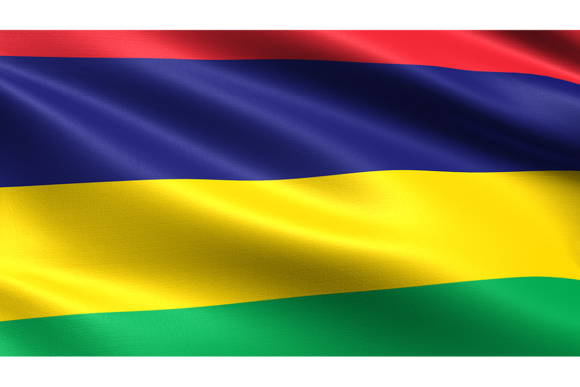
When you think of a national flag, you might picture a flat, static image on a page. However, the Mauritius Flag, Waving Fabric Texture brings a completely different energy to the table. This isn't just a simple graphic; it is a high-resolution, realistic depiction of the flag in motion. The image captures the intricate folds, creases, and shadows that occur when fabric interacts with the wind. The result is a tactile, three-dimensional appearance that feels authentic and alive.
The visual characteristics of this specific asset are defined by its highly detailed fabric texture. You can see the weave of the material, the way light catches the peaks of the folds, and how the shadows deepen in the valleys. The colors of Mauritius—red, blue, yellow, and green—are rendered with vibrancy, but they are also affected by the fabric's movement, creating natural gradients and shading. This level of realism is crucial for designers who want to avoid the "clip art" look. Instead of a flat symbol, you get a beautiful flag blowing in the wind, which conveys a sense of dynamism, pride, and presence.
The personality of this image is one of movement and realism. It feels grounded and tangible. The style leans towards photorealism, making it an ideal design asset for projects that require a touch of authenticity. Whether you are working on a travel brochure, a cultural presentation, or a brand identity for a company with ties to the island, the overall appeal of this texture lies in its ability to bridge the gap between digital representation and physical reality.
Strategic Applications: Where This Asset Works Best
One of the greatest strengths of the Mauritius Flag, Waving Fabric Texture is its versatility. Because the image is provided in a massive 3840×2160px resolution, it fits seamlessly into a wide variety of projects without losing quality. For print documents, such as posters, flyers, or annual reports, the high resolution ensures that the fabric texture remains crisp even when printed at large scales. You can use it as a full-page background or as a focal point in a layout without worrying about pixelation.
In the realm of web design and social media graphics, this asset serves as a powerful visual anchor. Imagine using it as a header background for a website dedicated to tourism or cultural exchange. The movement of the waving fabric adds visual interest that static backgrounds often lack. For social media, it can be used to create engaging posts, banners, or video thumbnails. The realistic texture helps stop the scroll, drawing the viewer's eye in a crowded feed. It is particularly effective for content creators and bloggers who cover topics related to travel, geography, or international events.
Furthermore, this asset is excellent for motion graphics and video production. If you are creating a video presentation or a documentary segment, using a static flag can sometimes feel disjointed against moving footage. A waving flag texture integrates much more naturally, adding a layer of professionalism to your visual storytelling. It can be used as a lower-third element, a background for text overlays, or a transition graphic. For entrepreneurs and marketers, incorporating such realistic elements into presentations or pitch decks can subtly elevate the perceived quality of the brand, showing attention to detail and a commitment to high standards.
Enhancing Brand Perception and Audience Engagement
Visuals play a massive role in how an audience perceives a message. Using a premium font or a high-quality image signals professionalism, and the same logic applies to background textures. By choosing the Mauritius Flag, Waving Fabric Texture, you are making a deliberate choice to present information in a polished, respectful manner. In editorial design or packaging design, the use of realistic textures can significantly influence the tactile feel of the final product, even on a digital screen. It creates a sensory experience that flat colors cannot match.
Consistency is another key factor in brand identity. If your brand has a connection to Mauritius, using a consistent, high-quality representation of the flag across all platforms—from your website to your printed materials—builds recognition. This asset allows you to maintain that consistency while adding a dynamic element that keeps the visuals fresh. It helps in establishing a visual hierarchy; a waving flag naturally draws the eye, making it an excellent tool for highlighting important information or calls to action.
For small business owners and crafters, this image offers a practical solution for creating professional-looking materials without a large budget. Instead of commissioning a photographer or trying to stage a flag photo shoot, you have access to a ready-made, high-quality asset. It is a creative font equivalent for imagery—something that adds character and depth to your work. Whether you are designing a certificate, a digital invitation, or a background for a Zoom call, the waving fabric texture adds a layer of sophistication that engages the audience and reinforces the credibility of your message.
Practical Guidance for Implementation
When integrating the Mauritius Flag, Waving Fabric Texture into your projects, consider how it interacts with other design elements. Because the texture is detailed, it works best when paired with clean, legible typography. Think of it like a serif font or sans serif font pairing; you want contrast and clarity. If the background is busy with folds and shadows, your foreground text needs to be bold and distinct. Using semi-transparent overlays or solid color blocks behind text can help maintain readability while still showcasing the beautiful texture behind it.
Testing is crucial. Before finalizing a design, view the asset in context. Does the waving motion distract from the main message, or does it enhance it? In some cases, you might need to crop the image to focus on a specific section of the fabric, or adjust the brightness and contrast to match your project's color palette. This is similar to how a designer might adjust the kerning or leading of a typeface to ensure it fits perfectly within a layout.
Finally, always ensure you are using assets appropriately. This design asset is versatile, but context matters. It is perfect for cultural, travel, or national pride themes. It might be less suitable for a minimalist, ultra-modern tech startup brand unless the contrast is intentional. By evaluating the fit, testing the integration, and respecting the visual weight of the image, you can leverage this realistic flag texture to create compelling, professional, and engaging designs that resonate with your audience.