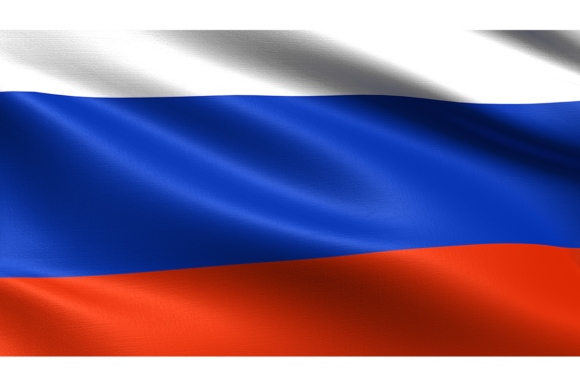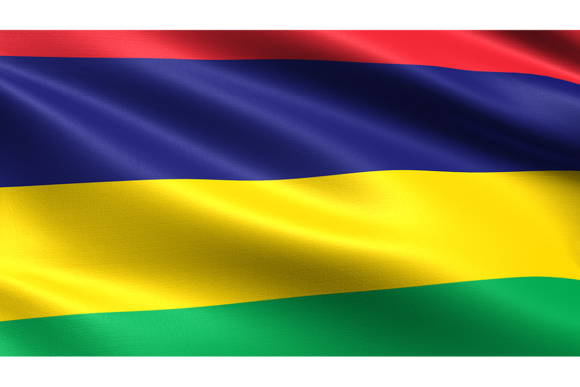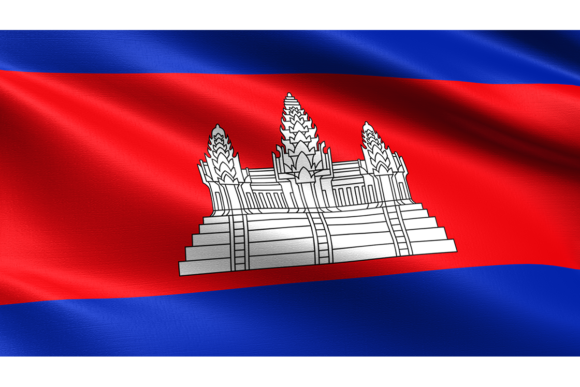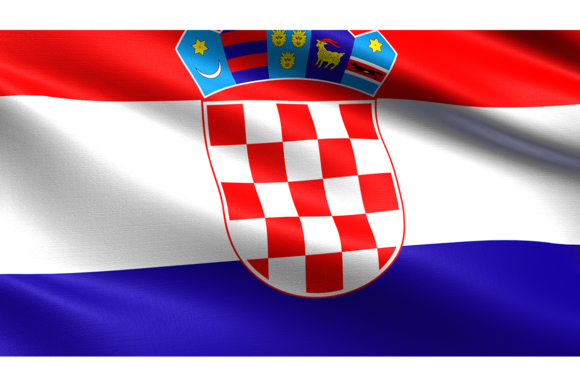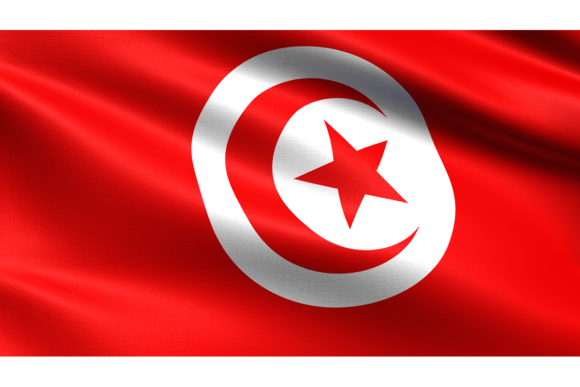
Tunisia Flag Waving Texture: Realistic Design Asset
There is a distinct difference between a flat, static image of a national symbol and one that feels alive. When you are working on a presentation, a website header, or a motion graphic, that difference often comes down to realism. A flat red rectangle with a white circle doesn't evoke the same emotion as a Tunisia Flag, Waving Fabric Texture. This asset captures the movement of the wind and the weight of the cloth, transforming a simple graphic element into a dynamic piece of art. It is designed specifically for professionals who need that extra layer of depth and authenticity in their visual storytelling.
The Anatomy of Realism: More Than Just Pixels
What makes this specific design asset stand out is the attention to material quality. We are talking about a high-resolution image, 3840×2160px, which falls into the 4K category. At this size, you can zoom in on the fabric and see the individual fibers. This is crucial for modern web design and motion graphics, where screens are becoming sharper and audiences are more discerning. If you stretch a low-quality image across a high-definition monitor, it breaks the illusion. This asset maintains its integrity because it is built on a foundation of high-fidelity texture.
The visual style here is photorealistic. It avoids the "digital" look that often plagues stock assets. Instead, it embraces the organic nature of fabric. You will notice the subtle gradients created by the folds of the cloth, where light hits the ridges and shadow settles in the valleys. This creates a natural visual hierarchy. Even without adding text, the eye is drawn to the movement of the flag. For a designer or marketer, this is invaluable. You have an image that does half the work for you by establishing a mood of authenticity and gravity.
Why Texture Matters in Modern Branding
In the current landscape of brand identity, flat design has its place, but textured design often builds a stronger emotional connection. Think about the psychology of touch. A waving flag implies history, pride, and movement. When you use a Tunisia Flag, Waving Fabric Texture in your projects, you aren't just adding a color; you are adding a feeling of substance. It suggests that the brand or message behind the image is solid and established.
Consider a logo design presentation for a client with ties to Tunisia. Placing that logo over a flat red background is serviceable. However, placing it over this waving texture adds context. It tells a story without words. It works similarly in packaging design. If you are designing a label for a product, using a texture that mimics real-world materials can make the product feel more tangible to the consumer, even when viewed on a screen.
Practical Applications Across Media
The versatility of this asset is one of its strongest selling points. Because it is provided as a .jpg with massive resolution, it scales well across different mediums. Here is how different creative professionals can utilize it:
- For Presentations and Corporate Use: Entrepreneurs and business owners often struggle to find imagery that feels professional without being generic. This flag texture serves as a perfect background slide. It is distinct enough to catch the eye but textured enough that white or dark text placed over it will remain readable, provided you use proper contrast techniques.
- For Social Media and Marketing: Social media graphics are a battle for attention. A static image scrolls by quickly, but an image with implied motion—like wind blowing through fabric—stops the thumb. It creates a kinetic energy in a static frame. Marketers can use this for national holidays, cultural events, or educational content.
- For Digital and Editorial Design: Bloggers and publishers can use this as a hero image for articles discussing culture, travel, or politics. It breaks up the monotony of text-heavy pages and adds a layer of professionalism to the layout.
Integrating the Asset into Your Workflow
Using a high-contrast, textured background requires a bit of strategy. You cannot simply throw a standard sans serif font in the middle of the flag and expect it to be legible. The folds and shadows create varying levels of darkness. The best approach is to use the flag as a "bleed" image—letting it run to the edge of the canvas—or as a background element that is slightly blurred or darkened with a gradient overlay.
When it comes to font pairing, this asset works best with typefaces that have authority. A bold, geometric serif font or a heavy, industrial sans serif font complements the weight of the fabric. Avoid delicate script fonts or thin, wispy handwritten fonts, as they will get lost in the texture of the weave. You want a typeface that stands its ground against the movement of the flag. Think of it as a visual anchor; the font needs to be the rock, while the flag is the water flowing around it.
Technical Considerations for Print and Screen
While the asset is digital, its application often extends to print. Crafters and hobbyists might use this for scrapbooking, custom invitations, or physical decor. Because the resolution is 3840×2160px, it translates well to standard poster sizes (like 11x17 inches) without losing the crispness of the fabric weave. When printing, the texture adds a tactile quality to the paper, especially if printed on matte or textured cardstock.
For motion graphics, this static image is a goldmine. Animators can use mesh warp tools to exaggerate the movement of the wind, or simply use a slow pan-and-scan (the Ken Burns effect) to bring the image to life. The high resolution allows for significant zooming and panning without pixelation, ensuring your video output looks broadcast-ready.
Choosing Quality Over Quantity
In the world of design assets, it is tempting to hoard hundreds of low-quality freebies. However, experienced creatives know that investing in a few high-quality, premium font alternatives or textures saves time and elevates the final product. This Tunisia Flag, Waving Fabric Texture represents that philosophy. It is a specialized tool designed for specific, high-stakes applications where realism is non-negotiable.
Ultimately, this asset is about bridging the gap between the digital and the physical. It brings the tactile reality of a waving cloth into the flat world of screens and paper. Whether you are a content creator building a brand, a designer crafting a presentation, or a marketer looking for that perfect visual hook, this texture provides a reliable, high-fidelity foundation for your work.