Mastering Cinematic Depth with Abstract Camera Lens Backgrounds
In the world of digital design and content creation, the background is never just empty space—it is the stage upon which your message performs. While many creators default to solid colors or standard gradients, there is a distinct advantage to using visuals that imply depth, technology, and focus. This is where the Abstract Camera Lens Background collection becomes an invaluable asset. It is not merely a set of images; it is a toolkit for instant atmosphere. These backgrounds leverage the visual language of photography itself—the smooth circular gradients, the soft glows, and the realistic lens reflections—to create a foundation that feels both modern and sophisticated.
The Visual Anatomy: More Than Just a Circle
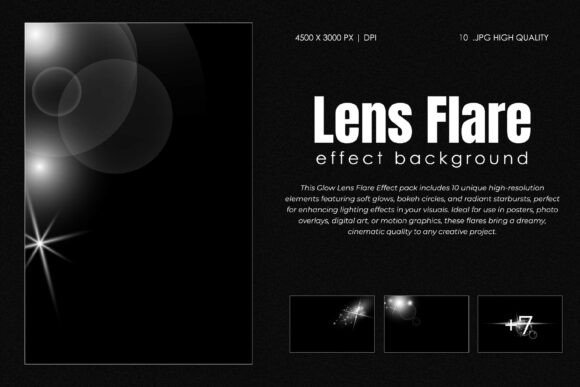
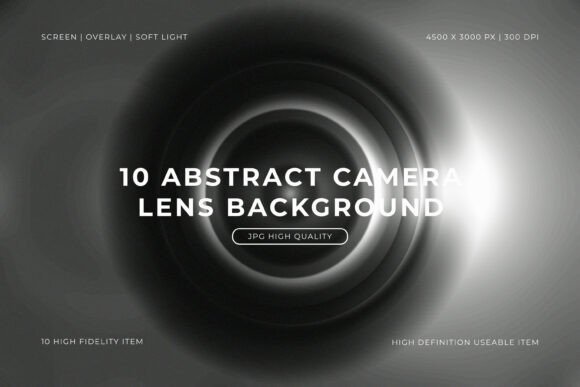
At first glance, a camera lens background might seem straightforward. However, the specific collection we are discussing is crafted with professional nuance. The "Abstract Camera Lens Background" set includes 10 distinct variations, each rendered at a substantial 4500x3000 pixels and 300 DPI. This high resolution is critical. It ensures that whether you are using the image as a full-screen backdrop for a website hero section or cropping in tight for a social media graphic, the integrity of the image remains flawless. The visual personality of these backgrounds is defined by soft light diffusion and radial blur. This creates a sense of motion and focus, drawing the viewer's eye naturally toward the center where your content will sit. It is a subtle but powerful form of visual hierarchy.
Understanding the Aesthetic Appeal
The style of these backgrounds is inherently cinematic. They evoke the feeling of looking through a high-end piece of glass, with light bending and refracting in pleasing ways. The color palettes, based on smooth gradients, are designed to be versatile. They can complement a wide range of brand identities without clashing. For a designer, this is a key consideration. You want a background that supports your primary content—be it text, a product photo, or a logo—without overwhelming it. The "Abstract Camera Lens Background" achieves this balance perfectly. It adds texture and interest, but its abstract nature means it doesn't compete for narrative attention. It simply sets a refined, professional tone.
Practical Applications Across Creative Fields
The true value of any design asset is measured by its versatility. Where does an "Abstract Camera Lens Background" work best? The applications are broader than one might initially assume.
- Branding and Presentations: For entrepreneurs and small business owners, a presentation is often a make-or-break moment. Using these backgrounds in slide decks instantly elevates the perceived quality of your brand. It moves your visual identity away from generic templates and toward a custom, polished look. The subtle lens flare and light play suggest innovation and a forward-thinking mindset.
- Digital and Social Media Graphics: Content creators and marketers know the battle for attention on platforms like Instagram, LinkedIn, or YouTube is fierce. A thumbnail or post featuring an abstract camera lens background has a built-in visual hook. The radial lines and glowing center create a natural focal point. This is particularly effective for announcements, quotes, or promotional graphics where you need the text to pop. The modern typography of your headline will stand in beautiful contrast to the soft, organic shapes of the background.
- Web Design and Editorial Layouts: In web design, hero images set the tone for the entire user experience. An abstract lens background can serve as a sophisticated, non-distracting hero image that communicates a tech-savvy or creative ethos. Similarly, in editorial design for blogs or digital magazines, these backgrounds can be used behind pull quotes or section dividers to add a touch of cinematic flair without breaking the flow of the article.
Integrating the Asset into Your Design Workflow
Adopting a new set of design assets requires a thoughtful approach to ensure they enhance, rather than complicate, your process. Here is some practical guidance for working with the Abstract Camera Lens Background collection.
Evaluating Fit and Font Pairing
Before you select a specific background from the set of 10, consider your project's core message. Is it sleek and corporate? Edgy and creative? Choose the gradient and light intensity that best matches that mood. Once you have your background, the next crucial step is font pairing. Because these backgrounds have a modern, often futuristic feel, they pair exceptionally well with clean sans-serif fonts for body text. Think of typefaces like Montserrat, Open Sans, or Helvetica. For headlines, you have more freedom. A bold, geometric sans-serif can reinforce the modern look, while a sophisticated serif font can create a striking contrast, blending classic typography with contemporary visuals. Avoid overly ornate script fonts or handwritten fonts for large blocks of text, as the background's visual complexity might reduce readability. However, a tasteful script font used sparingly for a logo design overlay or a single accent word can look stunning.
Testing and Refinement
Always test your design at multiple sizes. What looks perfect on a desktop monitor might become too busy on a mobile screen. The high resolution of the JPG files gives you room to scale and crop, so use that to your advantage. If the background is too dominant, consider adding a semi-transparent color overlay in your design software to mute it slightly, allowing your text and foreground elements to take center stage. Remember, the goal is cohesion. The background should feel like an integral part of your brand identity, not an afterthought.
The Strategic Advantage of Cinematic Assets
In a saturated digital landscape, the details matter. The choice to use a professionally rendered, high-quality asset like the Abstract Camera Lens Background speaks volumes about a brand's commitment to quality. It influences audience perception on a subconscious level. Viewers may not consciously analyze the radial blur or the soft light diffusion, but they will feel the professionalism. This can lead to higher engagement, as polished visuals are more likely to be shared and remembered.
For photographers, these backgrounds offer a unique way to present their work. Instead of placing a portrait on a plain white or black backdrop, integrating a subtle lens-inspired texture can create a thematic cohesion between the subject (photography) and the presentation. For digital marketers running campaigns, using these consistent backgrounds across various touchpoints—emails, social ads, landing pages—helps build visual recognition and a cohesive brand experience.
Ultimately, the Abstract Camera Lens Background collection is more than just a set of pretty pictures. It is a versatile, professional-grade design tool. It allows creators across disciplines to infuse their work with a sense of depth, focus, and cinematic elegance. By understanding its visual characteristics and applying it thoughtfully with strong typography and clear design principles, you can transform ordinary projects into compelling visual narratives. Whether you are crafting a brand identity, designing a website, or creating the next viral social media post, these backgrounds provide a polished foundation that resonates with a modern audience.