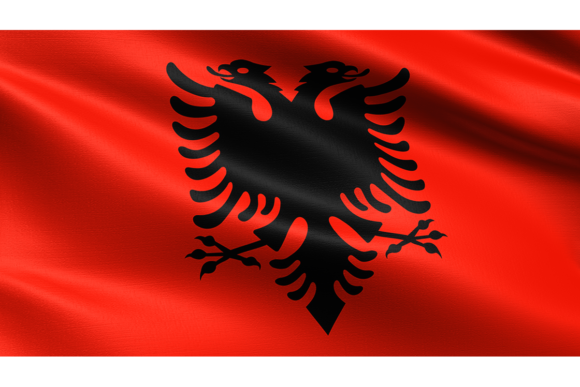
Albania Flag with Waving Fabric Texture: A Designer's Asset
Finding the right visual asset is often the final, crucial step in a design project. You've laid out your presentation, finalized your website copy, or designed the perfect social media graphic, but it lacks that one element of professional polish. This is where a high-quality, realistic asset like the Albania flag with a waving fabric texture becomes invaluable. It’s not just a flat image; it’s a dynamic visual that brings a sense of motion, texture, and authenticity to your work. For designers, marketers, and entrepreneurs, having a go-to resource like this can save hours of work and instantly elevate a project's quality.
More Than a Symbol: The Visual Appeal of a Textured Flag
At its core, this asset is a hyper-realistic rendering of the Albanian flag. The deep, commanding red and the iconic, sharp-featured double-headed eagle are the central focus. However, what sets this image apart is the waving fabric texture. The flag isn't just a flat graphic; it appears as a physical object, caught in a breeze. You can see the subtle creases, the soft shadows where the fabric folds, and the highlights that catch the light, giving it a tangible, three-dimensional quality. This realism is its greatest strength. It transforms a simple symbol into a piece of living history, conveying a sense of pride, movement, and energy.
The personality of this asset is one of strength and tradition. It feels grounded and authentic. The style is photorealistic, making it perfect for projects that demand a high degree of visual fidelity. When you place this image into a design, it doesn’t just sit there; it contributes to the overall atmosphere. The movement in the fabric suggests life and progress, while the classic design of the flag itself speaks to a deep-rooted heritage. This duality makes it a surprisingly versatile tool in a creative professional's toolkit.
Integrating the Flag: From Presentations to Brand Identity
The true value of a design asset lies in its application. The Albania flag with waving fabric texture is delivered as a high-resolution JPG (3840x2160px), making it suitable for a wide range of projects, both digital and print. Its versatility allows it to serve as a powerful background element, a standalone focal point, or a subtle accent. Here’s where it truly shines:
- Digital and Web Design: In web design, it can serve as a compelling hero image for a website focused on Albanian culture, tourism, or international business. It’s also perfect for blog post headers, online banners, or as a background for event announcements. The high resolution ensures it looks crisp on 4K monitors and retina displays.
- Social Media and Motion Graphics: For social media graphics, this asset is a game-changer. Use it to mark national holidays, celebrate cultural events, or add a professional touch to international marketing campaigns. In motion graphics, the texture provides a fantastic base for subtle animation effects, like a gentle ripple, making video content more engaging.
- Print and Corporate Use: The 3840x2160px resolution is more than adequate for most print document needs. It can be incorporated into reports, presentations, and corporate brochures to add a layer of professionalism. For packaging design targeting a specific market, it offers an authentic touch that stock photos often lack.
- Presentations and Events: As mentioned, it’s perfect for the background of your own presentations. Whether for a business pitch, a cultural lecture, or a conference, it immediately sets a professional and relevant tone without distracting from your core message.
A Practical Guide to Using This Asset Effectively
Simply dropping a high-quality image into a project isn't enough. To maximize its impact, you need to consider how it interacts with other design assets. Think of it not as a font, but as a core piece of your visual language for a specific project. Here’s how to approach it with a professional mindset.
Evaluating Project Fit and Readability
Before you use the flag, ask yourself: Does this align with the project's goal? It’s a perfect fit for projects related to Albania, international relations, or cultural heritage. For more generic projects, it might feel out of place. If you are using it as a background, the primary consideration is readability. The rich red and dark eagle can make overlaid text difficult to read. A practical solution is to apply a semi-transparent overlay (black or a dark shade of red) between the flag and your text. This creates contrast and ensures your message remains clear and legible, a key principle of effective modern typography.
Pairing with Fonts and Building a Visual System
This asset pairs best with strong, clean typefaces. Since the flag itself is a display element, your text should provide a clear hierarchy. Consider these font pairing strategies:
- With a Sans Serif Font: A clean sans serif font like Montserrat or Lato creates a modern, professional look. This combination works well for corporate presentations or tech-focused websites that are expanding into the Albanian market.
- With a Serif Font: A classic serif font like Garamond or Merriweather can evoke a sense of tradition and authority, complementing the flag's heritage. This is an excellent choice for editorial design, book covers, or museum websites.
- Avoiding Certain Styles: It’s best to avoid overly decorative script fonts or casual handwritten fonts, as their delicate nature can clash with the flag’s bold, powerful aesthetic. The goal is to create a cohesive brand identity, and conflicting styles can undermine that effort.
Commercial Licensing and Best Practices
When you acquire this image, you are typically purchasing a license that allows for broad commercial font and asset usage. However, it's crucial to always read the specific license agreement. Understand whether it's for a single project or multiple projects, and if there are any restrictions on use in merchandise for resale. As with any premium font or asset, respecting the license is part of professional etiquette and ensures you can use the work with confidence. Always keep the original high-resolution file archived, and export web-optimized versions (e.g., compressed JPGs or PNGs) for your digital projects to ensure fast page load times.